
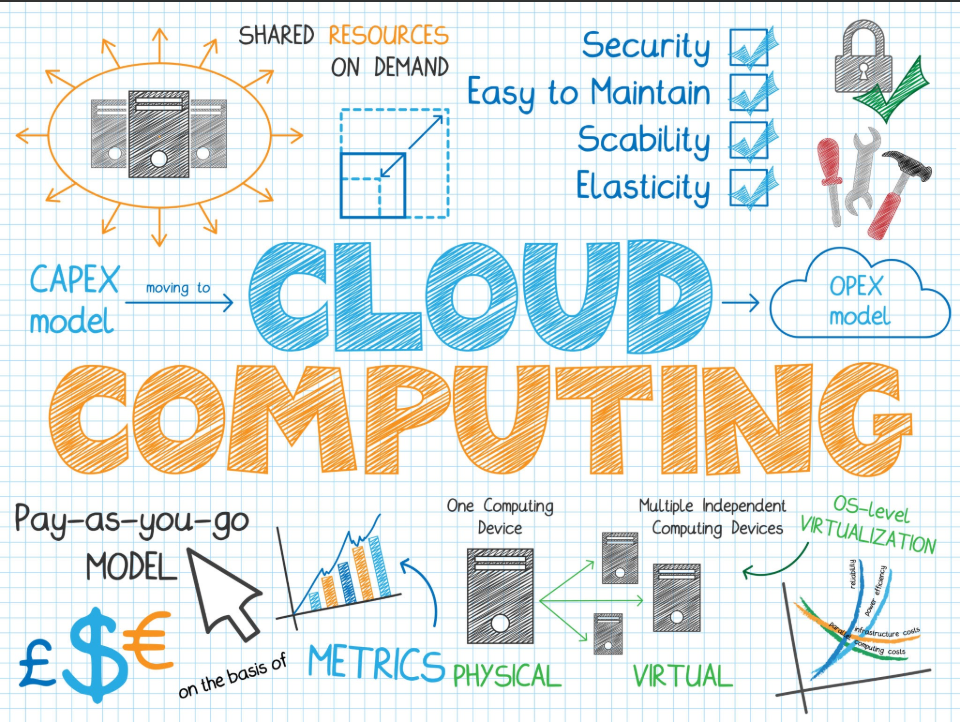
The promise of cloud computing is enticing: eliminate capital expenditures (CapEx), scale infrastructure on demand, and pay only for what you use. However, as enterprises shift workloads to public cloud providers like AWS, Azure, and Google Cloud, many encounter cloud bill shock.
While base compute and storage pricing appears straightforward, variable usage fees, complex networking rules, and governance oversights often lead to budget overruns of 20% to 40%.
Understanding where these unexpected costs hide—and implementing proactive FinOps strategies—is essential for keeping your cloud architecture cost-effective.
1. The Top 7 Hidden Cloud Costs
+--------------------------------------------------------------------------+
|                        HIDDEN CLOUD COST DRIVERS                         |
+--------------------------------------------------------------------------+
|  1. Data Egress & Cross-AZ Fees  --> Moving data out of cloud / regions   |
|  2. Zombie & Orphaned Assets      --> Unattached disks, idle public IPs   |
|  3. API & Storage Operations      --> High-frequency GET/PUT requests     |
|  4. Premium Vendor Support        --> Tiered monthly support contracts    |
|  5. Idle Development Environments --> Non-prod VMs running 24/7/365      |
|  6. Over-Provisioned Instances    --> Static sizing for peak-only loads   |
|  7. Cloud Security & Log Storage  --> High-volume SIEM ingestion fees     |
+--------------------------------------------------------------------------+
1. Data Egress and Cross-Region Network Fees
Ingress (transferring data into a cloud provider) is typically free. However, egress (moving data out to the internet, on-premises networks, or other cloud providers) carries per-gigabyte transfer fees that compound quickly.
-
The Hidden Trap: Transferring data between different Availability Zones (AZs) within the same cloud region or moving data between regions incurs bandwidth charges that developers frequently overlook during microservices design.
2. Zombie Resources and Unattached Storage
When virtual machines (VMs) are terminated, attached resources are not always automatically deleted.
-
The Hidden Trap: Unattached persistent storage volumes (e.g., AWS EBS or Azure Managed Disks), unassociated static public IP addresses, and unused load balancers continue billing hourly fees indefinitely.
3. High-Volume API and Storage Transaction Charges

While object storage (like AWS S3 or Azure Blob) advertises low per-gigabyte rates, every file write, read, or listing action generates API transaction costs.
-
The Hidden Trap: Applications that make millions of micro-transactions (
PUT,GET,LISTrequests) or process frequent analytical queries can generate API operation bills that dwarf actual storage costs.
4. Enterprise and Premium Support Tiers
Public cloud platforms charge extra for developer, business, or enterprise-level support tiers.
-
The Hidden Trap: Enterprise support plans are frequently calculated as a percentage of your total monthly cloud spend (often 3% to 10%). As your cloud usage grows, your support cost automatically scales upward—even if you opened zero support tickets.
5. Non-Production Environments Running 24/7
Development, staging, and QA environments are typically only needed during business working hours (~40 to 50 hours per week).
-
The Hidden Trap: Leaving non-production VMs, container clusters, and sandbox databases running continuously across nights and weekends wastes nearly 70% of the compute costs for those workloads.
6. Static Over-Provisioning
Engineers migrating on-premises applications to the cloud often replicate existing hardware specifications without analyzing actual usage telemetry.
-
The Hidden Trap: Paying for an 8-vCPU instance operating at 5% average utilization wastes significant monthly budget compared to using smaller instance types equipped with auto-scaling capabilities.
7. Ingestion and Retaining Security Log Telemetry
Modern security monitoring requires collecting system logs across all endpoints, firewalls, and application services.
-
The Hidden Trap: Ingesting terabytes of application audit logs into cloud-native SIEM or monitoring platforms (e.g., AWS CloudWatch Logs, Datadog) generates substantial data ingestion and long-term storage fees.
2. Summary: Hidden Costs at a Glance
| Hidden Cost Driver | Root Cause | Business Impact | Key Mitigation Strategy |
| Data Egress | Unoptimized cross-AZ or multi-cloud traffic | High bandwidth bill spikes | Use VPC Endpoints & Content Delivery Networks (CDNs). |
| Orphaned Storage | Terminated VMs leaving attached disks behind | Cumulative persistent monthly charges | Automated script purging of unattached volumes. |
| API Requests | Microservice chatter & frequent small object reads | Unexpected storage API fees | Batch API calls; cache frequently accessed objects. |
| Idle Dev Environments | Non-prod resources left active off-hours | ~70% compute waste in non-prod | Scheduled auto-shutdown policies outside business hours. |
| Log Ingestion | Retaining raw debug logs indefinitely | Astronomical SIEM ingestion bills | Filter debug logs at source; archive logs to cold tiers. |
3. How to Avoid Hidden Cloud Costs: Actionable Strategies
                  +--------------------------------------+
                  |      CLOUD COST GOVERNANCE PIPELINE  |
                  +--------------------------------------+
                                     |
       +-----------------------------+-----------------------------+
       |                                                           |
       v                                                           v
[ AUTOMATED GUARDRAILS ]                                    [ ARCHITECTURAL EFFICIENCY ]
* Resource Tagging Mandates                                 * VPC Endpoints / PrivateLink
* Auto-Off Scripts for Dev Environments                     * Automated Lifecycle Policies
* Anomaly Detection Budget Alerts                           * Modern ARM Processors (Graviton)
1. Implement Strict Tagging and Allocation Rules
Enforce mandatory resource tagging (e.g.,
Owner, Environment, CostCenter) via Service Control Policies (SCPs). When every cloud resource is mapped to a specific department, unowned “phantom” infrastructure can be identified and safely removed.2. Automate Non-Production Shutdowns
Deploy automated scheduling tools (such as AWS Instance Scheduler or custom Azure Automation Runbooks) to automatically stop development and testing environments every evening at 7:00 PM and restart them at 7:00 AM on weekdays.
3. Leverage VPC Endpoints and CDNs for Data Transfer
Avoid routing data across the public internet or through costly NAT Gateways:
-
Route traffic bound for cloud storage through private VPC Endpoints (PrivateLink) to eliminate internet egress charges.
-
Implement a Content Delivery Network (CDN) like CloudFront or Cloudflare to cache static assets at edge locations, drastically cutting origin egress fees.
4. Automate Storage Lifecycle Tiering
Establish automated lifecycle policies to transition inactive data from high-cost hot tiers to low-cost archive tiers (e.g., moving AWS S3 objects to S3 Glacier after 30 days of inactivity).
5. Establish a FinOps Practice and Set Real-Time Alerts
Form a collaborative FinOps working group between finance and engineering teams. Configure real-time spending anomaly alerts using cloud-native budgeting tools (e.g., AWS Budgets, Azure Cost Management) to notify administrators the moment daily spending strays from projected baselines.
Key Takeaway
Cloud elasticity is a powerful advantage, but without continuous financial visibility and automated governance, variable pricing can undermine your ROI. By controlling network egress, eliminating orphaned resources, rightsizing compute capacity, and adopting FinOps best practices, organizations can eliminate hidden expenses and maintain predictable cloud expenditures.